
Social media has become a central part of how individuals and businesses connect with audiences. Platforms like Instagram, Twitter, and TikTok rely on engagement to measure influence, visibility, and reach. To manage interactions at scale, many automation technologies have emerged. At the core of these systems are proxy networks. Proxies allow automated tools to operate efficiently while minimizing risks associated with multiple accounts. Buy cheap instagram followers, and these technologies provide the infrastructure needed to manage accounts safely and effectively. Understanding their role provides insight into how social media automation technology functions.
What Proxy Networks Are for
A proxy network acts as an intermediary between a device and the internet. It masks the user’s real IP address, routing requests through a network of servers. In social media automation, proxies are essential for managing multiple accounts simultaneously. They help distribute requests to avoid detection and reduce the risk of account suspension. Proxy networks are a unique component that supports safe and efficient automation.
How Proxies Support Automation
Automation tools rely on proxies to operate at scale. Without proxies, multiple actions from a single IP address can trigger platform restrictions. Proxies allow each account to appear as though it is operating from a different location or device. This distribution ensures that automated tasks, such as posting, liking, or following, proceed smoothly. By using proxies, platforms can manage high-volume interactions while maintaining system reliability.
Performance Optimization and Monitoring
Proxy networks require continuous monitoring to maintain performance. Platforms track response times, error rates, and connectivity issues. Load balancing distributes requests across the network, preventing bottlenecks. Performance analytics help identify underperforming proxies and optimize allocation. These measures ensure that automation systems remain efficient and reliable, even under high-demand conditions.

Types of Proxy Networks
There are different types of proxies used in social media automation. Residential proxies route traffic through real devices, making them harder to detect. Data center proxies offer faster speeds but are easier for platforms to flag. Mobile proxies use cellular networks, providing a natural-looking connection. Choosing the right type of proxy depends on the automation strategy, the volume of activity, and the level of risk tolerance.
Proxy-Based Infrastructure Integration
Proxy networks are integrated into the backend infrastructure of automation platforms. Servers manage connections, route requests, and maintain session data. Databases track account activity and proxy assignments. Cloud computing often supports these operations, allowing platforms to scale resources efficiently. Proper integration ensures that proxies work seamlessly with automation tools to maintain high performance.
Possible Upcoming Trends in Proxy Networks
Proxy technology continues to evolve alongside automation tools. Artificial intelligence helps predict optimal proxy usage patterns and detect potential risks. Machine learning models analyze account behavior to optimize request distribution. Mobile and residential proxies are becoming more sophisticated, offering greater reliability and reduced detection rates. Platforms that adopt these advancements gain the utmost efficiency and scalability in their automation systems.
Proxy networks play a critical role in social media automation technology. They enable large-scale operations by masking IP addresses, distributing requests, and reducing the risk of detection. Integrated with backend infrastructure, secure protocols, and performance monitoring tools, proxies ensure that automated systems operate reliably. Understanding the function and importance of proxy networks provides insight into the technological backbone that supports modern social media automation. By leveraging these systems, businesses and individuals can maintain effective, high-volume engagement while minimizing risks.…







 Suppose you are a businessman, then you will feel more grateful for some of the features. Whether it’s file management or expense reports, the AppStore is full of valuable small business software for your iPhone that allows you to stay on top of almost everything necessary. When you browse AppStore, you can see many apps in a business category. If you are interested in finding some useful ones, below are given five powerful apps that will probably be very useful.
 While you’re busy traveling and satisfying your customers, buying small business essentials, and making various expenses for your business, Concur secures your travel, receipts, and additional expense reports. This way, you can continue to keep track of them and stay productive. Both small and large businesses can track and manage their pricing.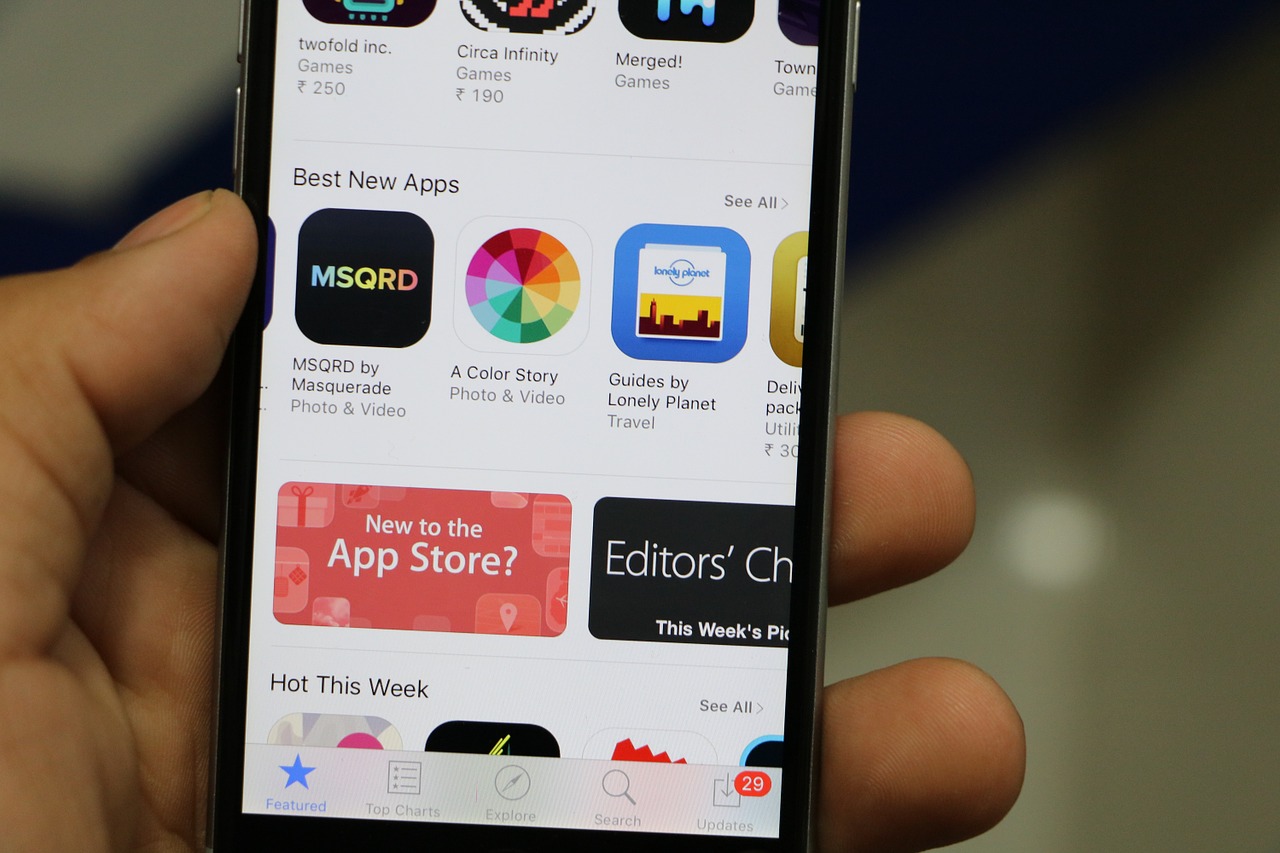
 Having a mobile application for your business would result in easy access for your customers. The fronts of simple design for business applications are often intuitive and attractive, so people can enjoy them while offering a range of services. You cannot only buy them, but you can easily play games, watch movies, listen to music, and perform many different functions. The mobile application brings the freshness that today’s businesses should not forget.




 It is one of the main reasons why there is no implementation in developing apps. Partnerships promote understanding of the benefits of a development company for its customers.
  Company’s Reputation
 Communication is an essential element in building a successful relationship between a customer and a service provider. There should be an exchange of suggestions, suggestions, and opinions to create high-quality applications. It should be ensured that developers continue to communicate with each other and have a relationship with each other.